



On-device AI
Apple's on-device models build plans and settle the tricky progression calls, privately, on your iPhone.
Villain Arc is an iOS strength-training app that goes past rep tracking. Plans you reuse, guided logging, and a suggestion for your next weight from plain training rules plus on-device AI. Built by FCT, shipped to the App Store in February 2026, and rebuilt since onto the platform every FCT app now runs on.
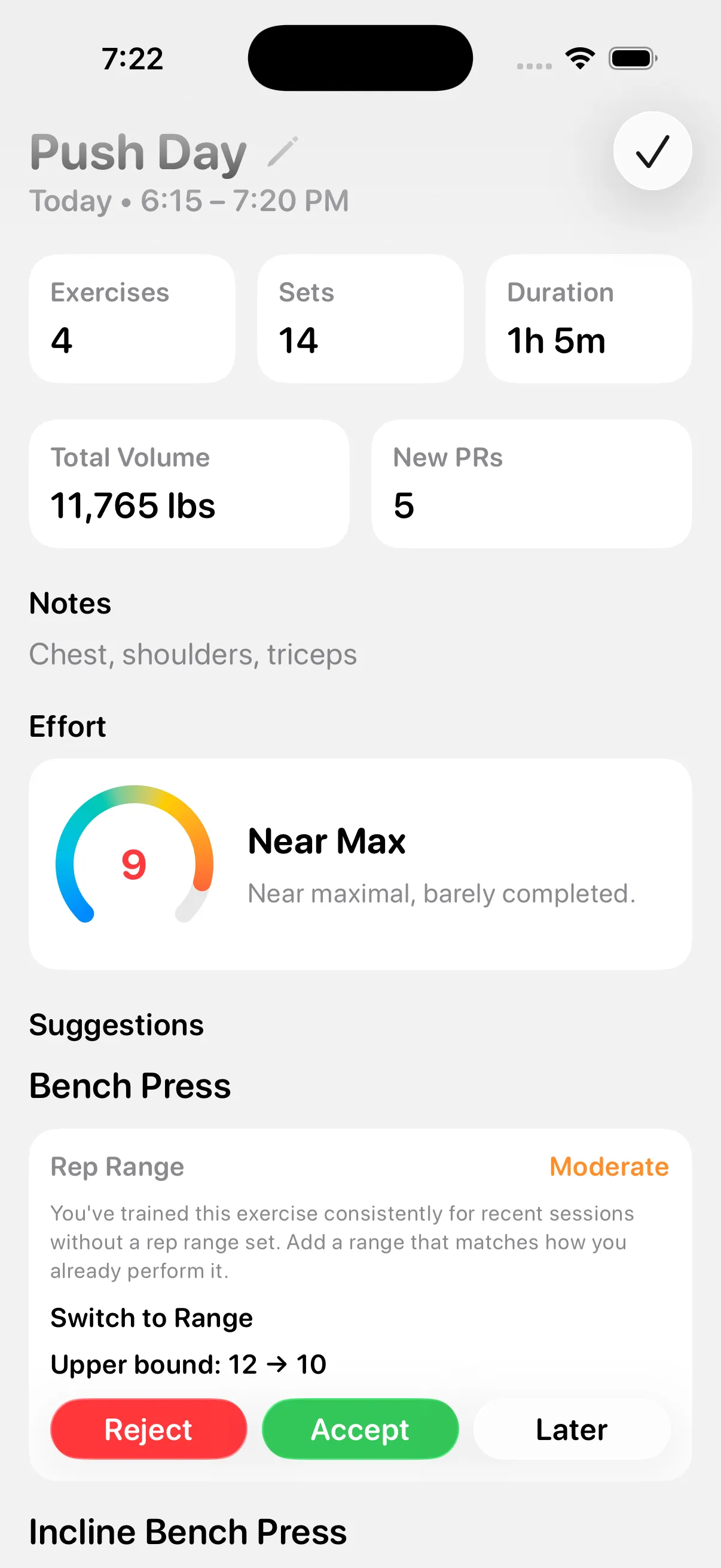
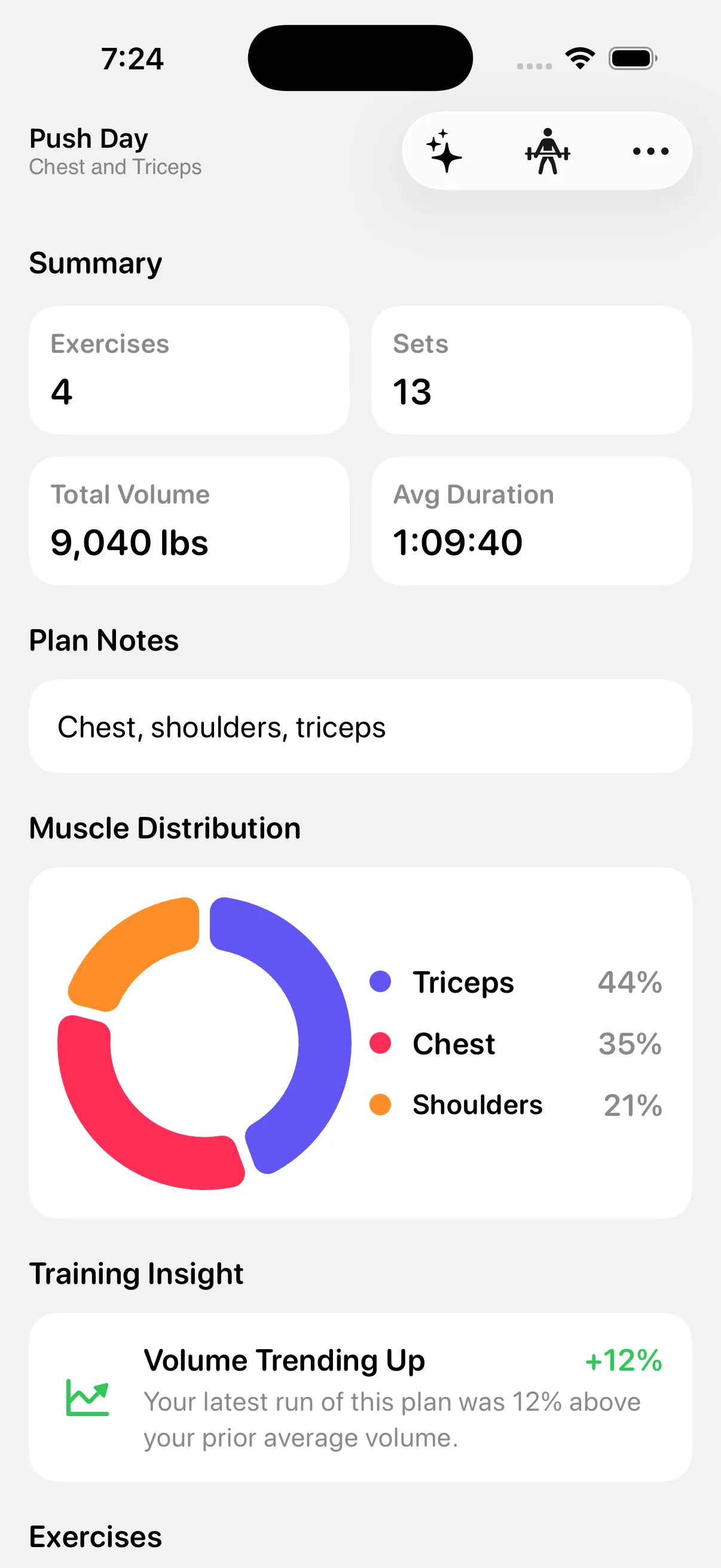
Plan the split, log the session, and let the app tell you what to do next time, grounded in your real history.
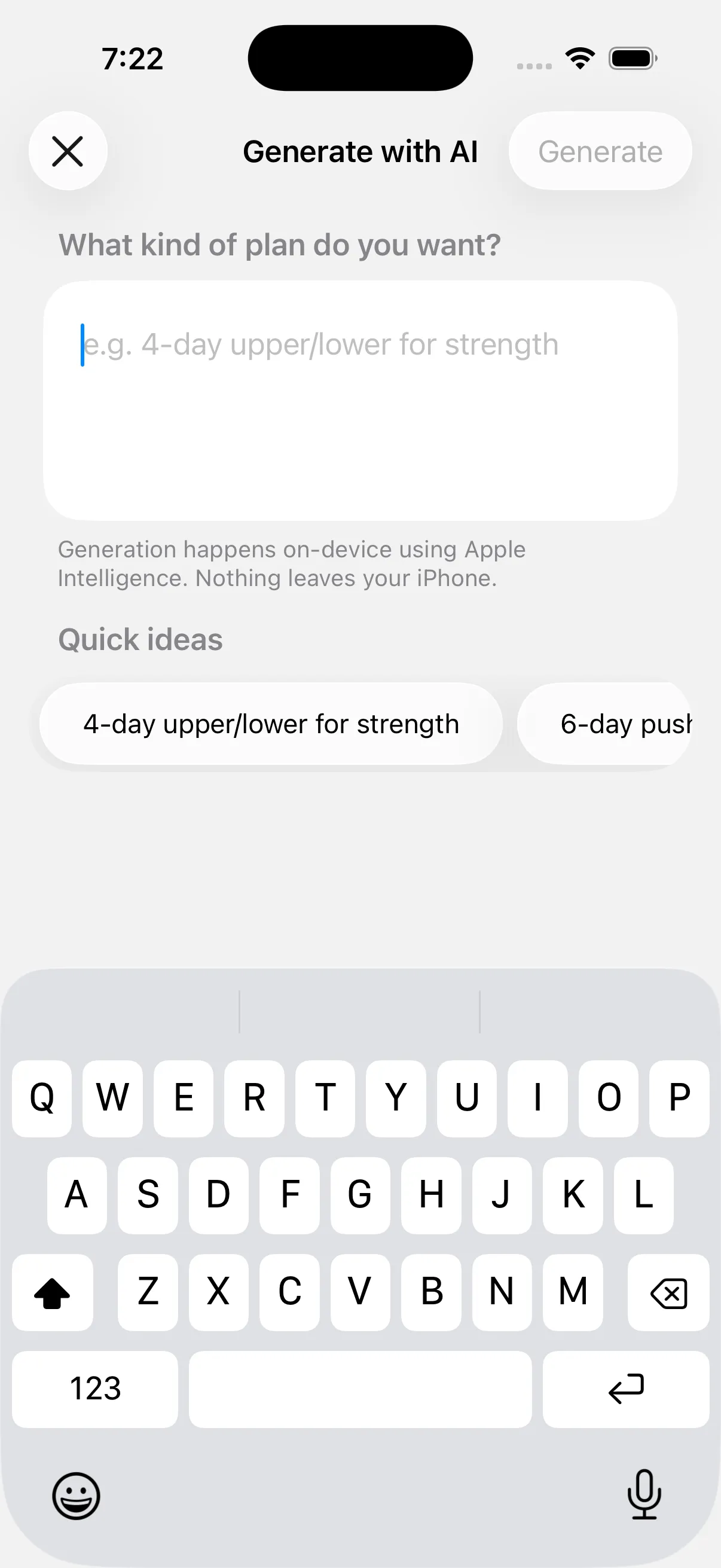
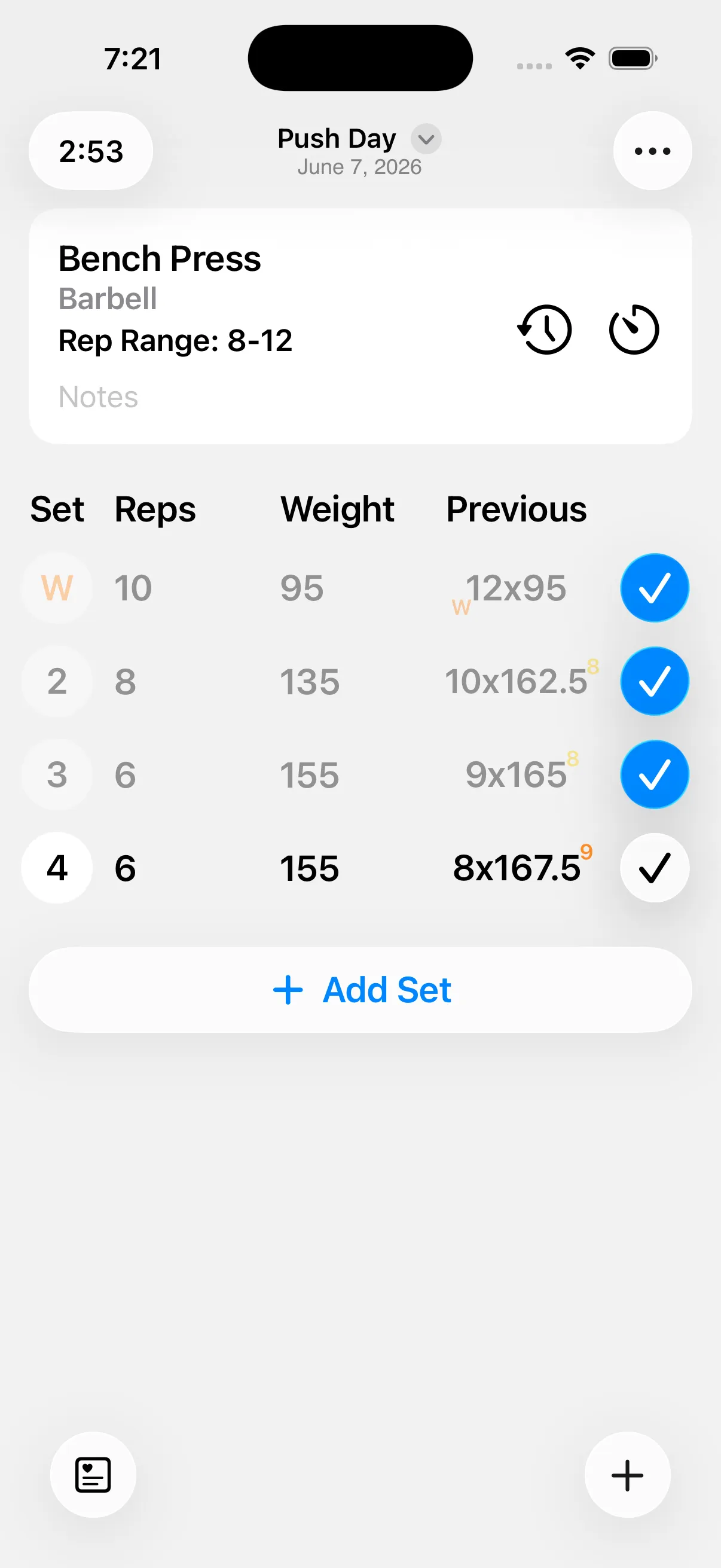
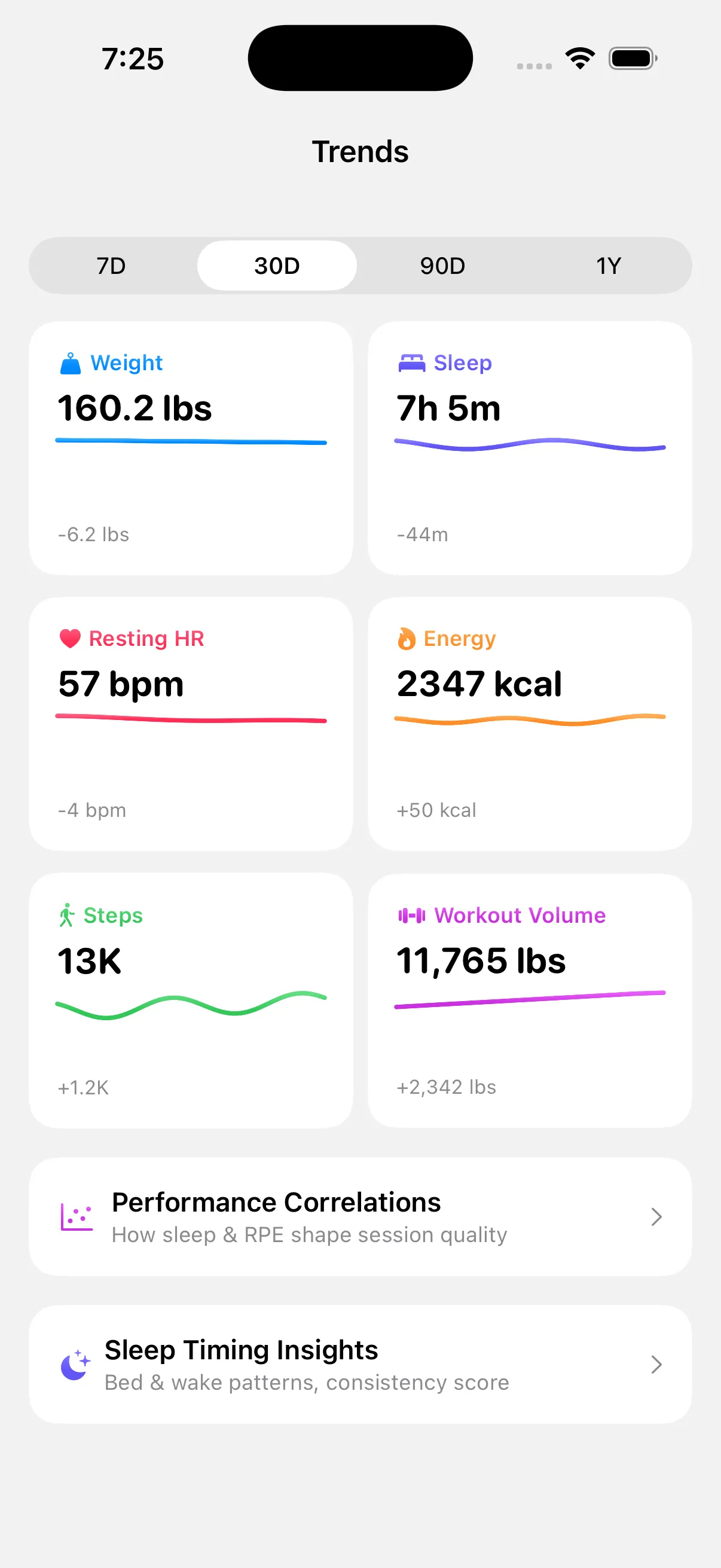
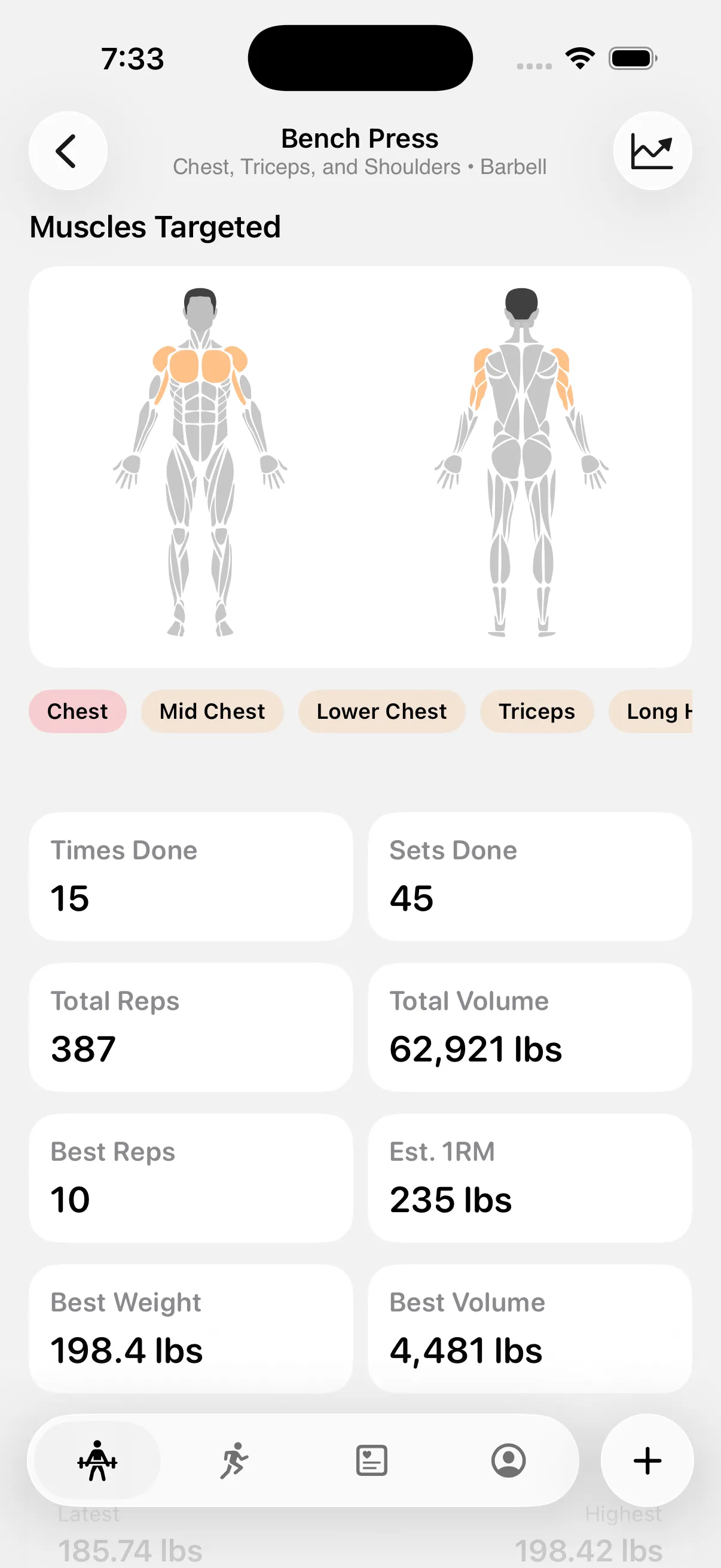
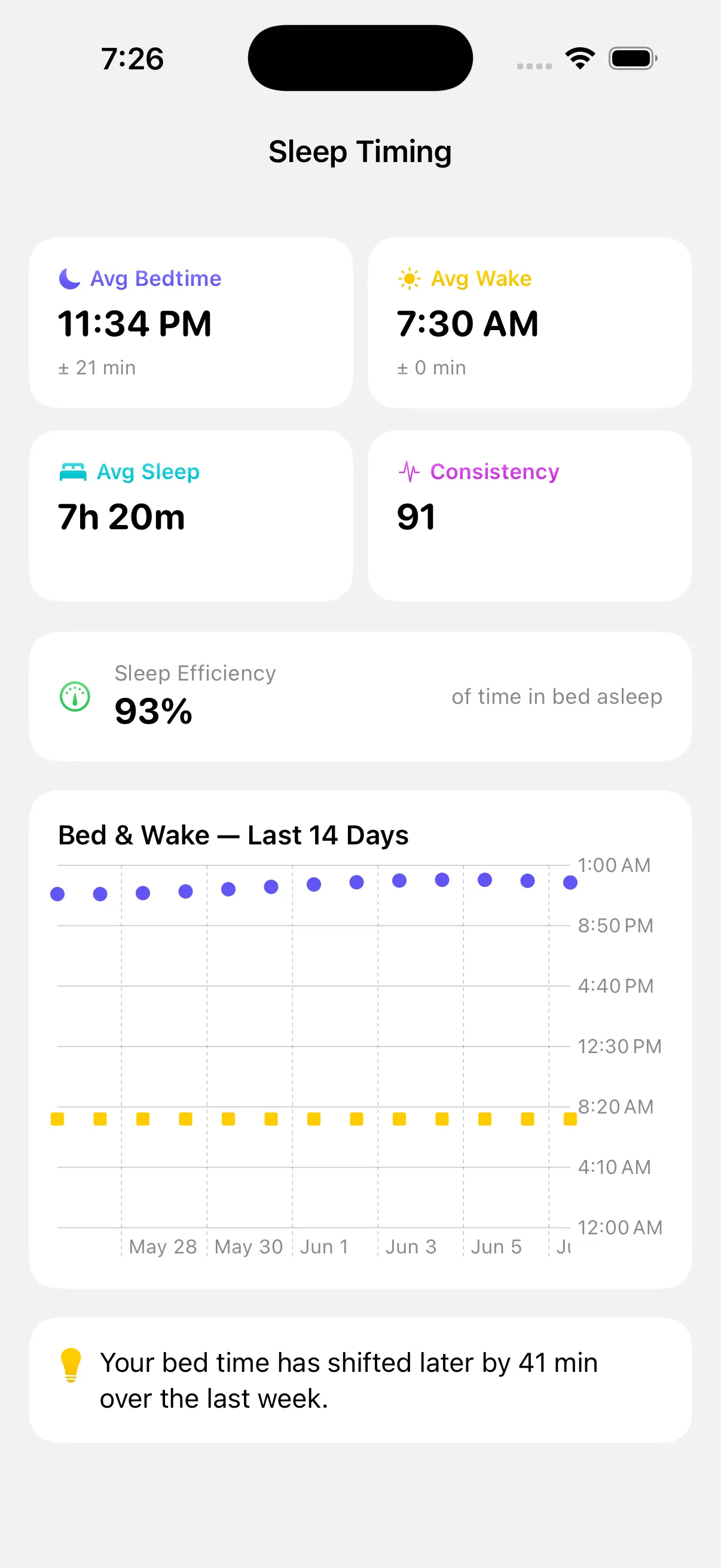
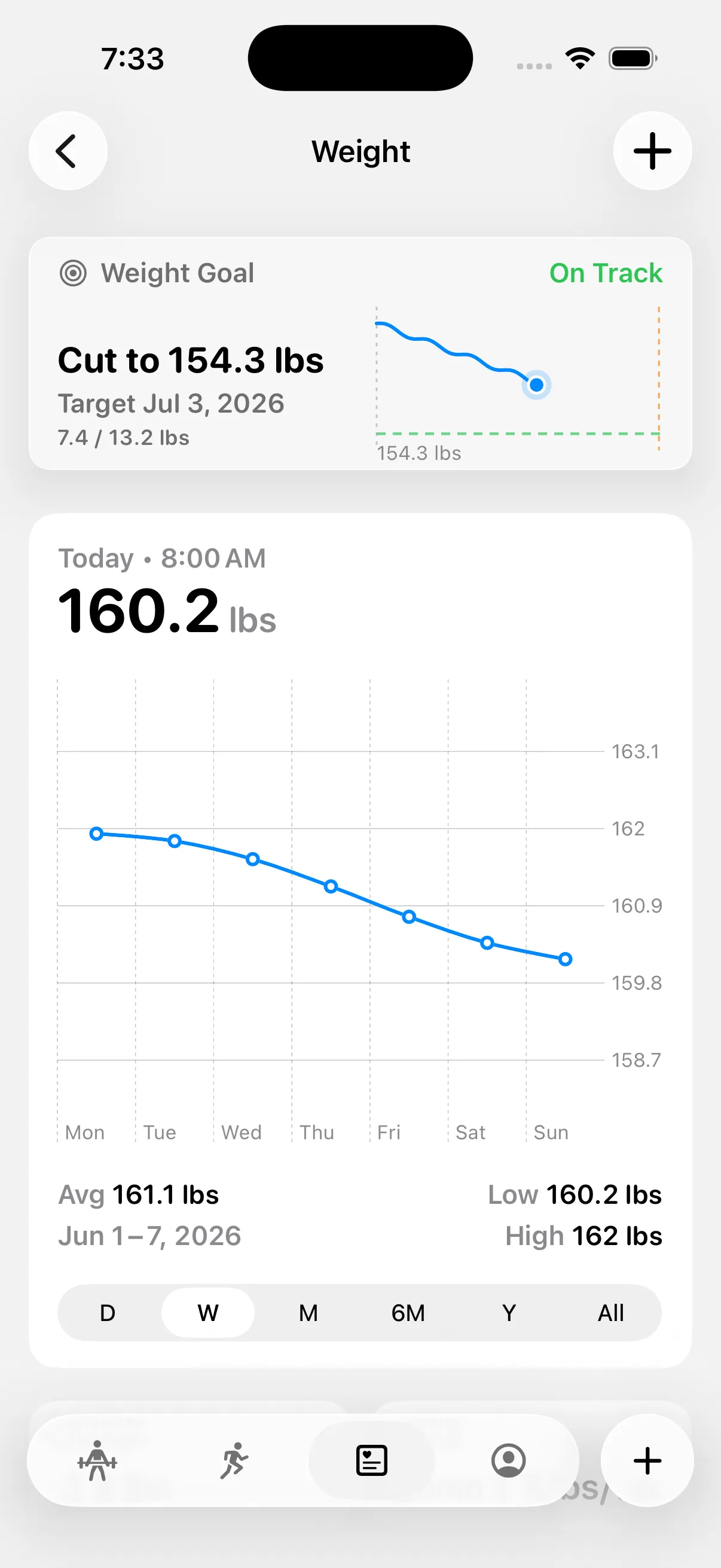
Plain training rules handle the common progression calls. The ambiguous ones go to on-device AI, and only a confident answer is shown. Then it tracks what happened, grading each accepted suggestion across your later sessions as good, too aggressive, too easy, or ignored.
Most trackers stop at the log. Villain Arc keeps going into the next decision, and checks its own work.
Villain Arc uses the iPhone the way a native app should. Intelligence that runs on the phone, every system surface wired in properly, and one account you can empty or delete whenever you want.
Apple's on-device models build plans and settle the tricky progression calls, privately, on your iPhone.
Start a workout, log a lift, or pull up your trends by asking. 10 App Shortcuts ship in.
Your active set, rest timer, and cardio live on the Lock Screen and Dynamic Island.
Today's workout and your streak, one glance from the Home Screen.
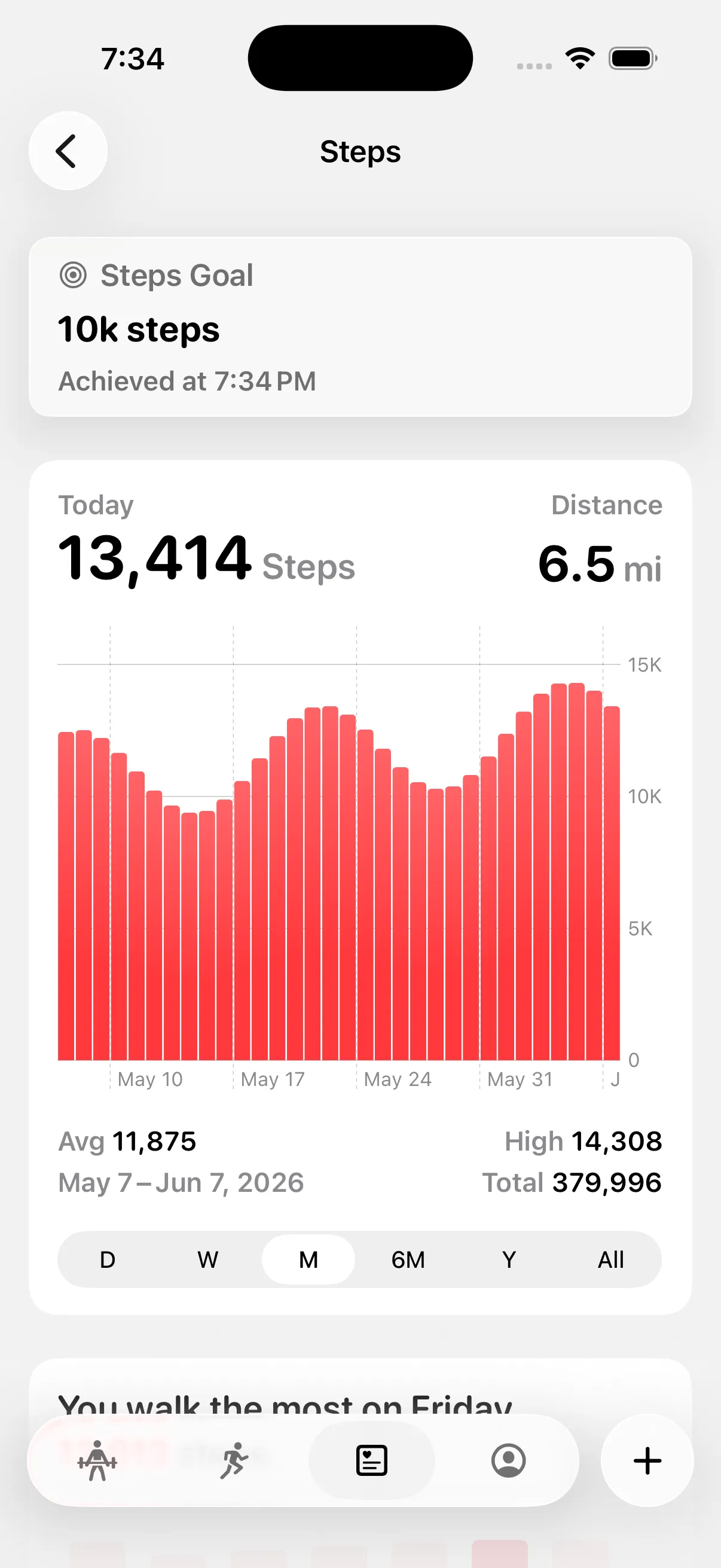
Two-way HealthKit sync for workouts, weight, sleep, steps, heart rate, and energy.
Search any exercise from Spotlight. One FCT account keeps plans and history in step across your devices.
Where the app leans on on-device intelligence, and how it rounds out the health picture.
Not at the moment. Villain Arc shipped on the App Store in February 2026 and ran there through version 1.3. It has since been rebuilt onto the FCT platform, the shared account and sync layer that now runs underneath every FCT app, and the listing is withdrawn while that version is finished, so there is currently nothing to download. When it returns, the shape is the one it already had. Free to use for planning splits, logging workouts, tracking your weight and steps, and reviewing your training history. Villain Arc Pro is the paid upgrade for the intelligence: AI plan generation, smart set suggestions, AI exercise replacement, and the deeper health insights like performance correlations and sleep-timing trends. It runs on iOS and carries no ads. We are not putting a date on the return here.
Most workout apps stop at the log. They record what you lifted and leave the next decision to you. Villain Arc keeps going. Plain training rules handle the common progression calls, and Apple's on-device AI handles the ambiguous ones, only when it is confident, so every recommendation can be explained rather than coming out of a black box. Then it does something most trackers do not. It grades each accepted suggestion across your later sessions as good, too aggressive, too easy, or ignored, so the coaching gets sharper the longer you train. An interrupted workout resumes exactly where you left off, even from Siri or a widget. It is built for every lifter, and the structure rewards anyone training seriously: real rep ranges, rest policies, split schedules, and progression that checks its own work.
In two places, and we are precise about both. Every workout, plan, profile and health record lives on your iPhone in a local store, which is what makes the app fast and fully usable with no signal. That store then syncs to your FCT account on infrastructure FCT Technologies operates, and the account copy is the real one. It is what puts your training on a second device and gives it back after a reinstall. Villain Arc does not use iCloud or CloudKit. The account is required, and creating one is the last step of onboarding. What does not travel is the AI. Plan generation and progression calls run on Apple's on-device models, so no part of your training is sent to an AI service, ours or anyone else's. Apple Health sync is two-way and asks your permission, and you can change which categories Villain Arc reads and writes anytime in iOS Settings. You can delete just your Villain Arc data, or the whole account and everything in it, from Settings → Account. Privacy first: exactly what the app sends is written out in the privacy policy linked at the bottom of this page.
Villain Arc is FCT's own product, taken all the way through App Review once and rebuilt onto the account every FCT app now shares. The same standard goes into client work.